
Flashover and backdraft: Sudden fire explosion explained
Flashover and backdraft: Sudden fire explosion explained
2026-07-13T07:50:34Z
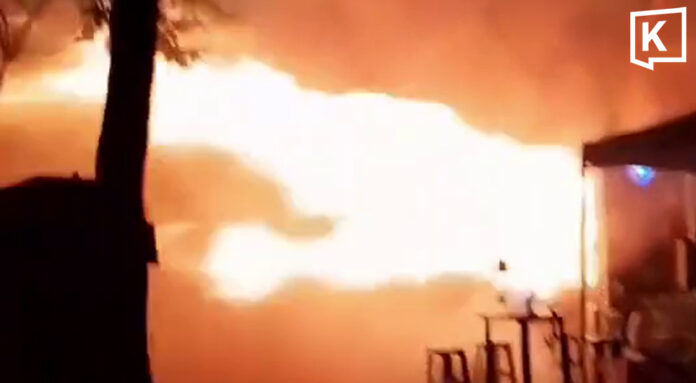
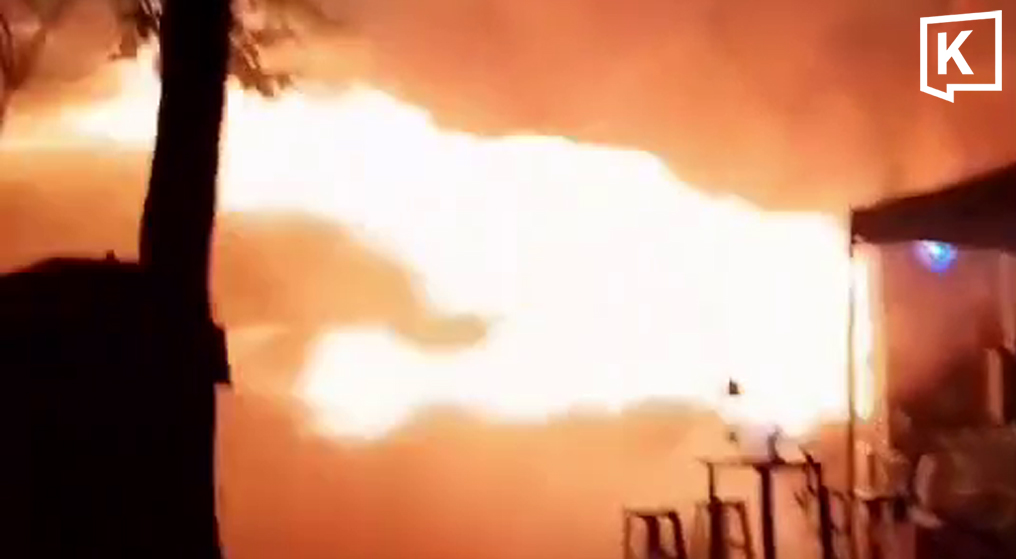
Following the deadly fire at Na Ladprao Brewery in the early hours of 13 July 2026, experts have highlighted the dangers of flashover and backdraft—two fire phenomena capable of turning an enclosed blaze into a deadly explosion within seconds.
The blaze claimed
According to information published by the Samsen Fire and Rescue Station, the two phenomena are among the most dangerous hazards firefighters face.
What is flashover?
Eventually, combustible materials throughout the room release flammable gases until they reach their
Fire gas ignition
Fire gas ignition occurs when flames reach accumulated flammable vapours that already contain enough oxygen to ignite.
These vapours can travel through ventilation ducts, utility shafts and other openings, spreading into different parts of a building. They may accumulate above ceilings, beneath staircases or in concealed spaces, where they can ignite instantly if exposed to a spark.
What is backdraft?
Also known as a
Warning signs of an impending backdraft
Fire authorities say several warning signs may indicate that a backdraft is about to occur:
What happens before a backdraft?
Before a backdraft occurs, smoke may appear to pulse in and out through openings while the room fills with superheated gases, carbon monoxide and other flammable vapours.
When a door is opened, pressurised smoke rushes outward as cooler outside air is drawn in near floor level. The fresh oxygen gradually mixes with carbon monoxide and other combustible gases before reaching the remaining flames.
Once the mixture reaches its ignition range, the fire rapidly reignites, travelling back toward the incoming air supply. The intense combustion produces a sudden pressure wave that can shatter windows, collapse walls and create an explosion-like effect.
Thermal layers inside a burning room
Before either flashover or backdraft occurs, a burning room typically develops three distinct heat layers:
Understanding these heat layers, along with fire behaviour and building conditions, is critical for firefighters. Without recognising the warning signs of flashover or backdraft, emergency responders face a significant risk of serious injury or death.